Estate Planning for Unmarried Couples
Estate planning is often associated with married couples, but it’s equally important for unmarried partners to consider. Whether you’re in a committed relationship, cohabiting, or engaged, taking proactive steps to protect each other and your shared assets can provide peace of mind and ensure that your wishes are honored.
Understanding the Importance
Unmarried couples face unique challenges when it comes to estate planning, as they may not have the same legal protections and rights as married couples. Without proper planning, your partner may not be entitled to inherit your assets or make critical decisions on your behalf in the event of incapacity or death. Estate planning allows you to address these concerns and tailor a plan that reflects your wishes and safeguards your partner’s interests.
Key Considerations
- Wills and Trusts: A will is a foundational document in estate planning that outlines how you want your assets distributed after your death. Without a Will, state intestacy laws will determine the distribution of your assets, which may not align with your wishes or benefit your partner at all. Consider creating a will or trust to possibly designate your partner as a beneficiary and and as the Personal Representative (“Executor”) and Trustee of your estate and Trust.
- Joint Ownership: Joint ownership (with rights of survivorship) of assets, such as bank accounts, real estate, and investments, can simplify the transfer of assets to your partner upon your death if that is in line with your wishes. Joint tenancy with rights of survivorship ensures that your share of the property passes directly to your partner, bypassing probate and potential challenges from other heirs. Nevertheless, there are also some important disadvantages to joint ownership between non-married couples that you should discuss with your attorney.
- Beneficiary Designations: Review and update beneficiary designations on retirement accounts, life insurance policies, and other financial assets to ensure that your partner is provided for as you wish. Without proper designations, these assets may pass to other family members or beneficiaries according to default provisions.
- Healthcare Power of Attorney and Healthcare Directive: In the event of incapacity, healthcare Powers of Attorney will allow whoever you designate (possibly your partner) to make medical decisions on your behalf. The document also outlines your preferences for end-of-life care. These documents ensure that your wishes are respected.
- Estate Tax Planning: Unmarried couples may face estate tax implications if their combined assets exceed the applicable exemption amount. Consult with a qualified estate planning attorney to explore tax-saving strategies, such as gifting, trusts, and other planning techniques to minimize tax liabilities and maximize wealth transfer to your partner.
Navigating Legal Challenges
Unlike married couples, unmarried partners may encounter legal challenges related to inheritance rights, property ownership, and parental rights, especially in the absence of formal legal recognition of their relationship. Consulting with an experienced estate planning attorney who understands the nuances of unmarried couple planning can help address these challenges and tailor a comprehensive plan that protects your interests and reflects your intentions.
Conclusion
Estate planning is essential for unmarried couples to safeguard their future and ensure that their wishes are honored. By taking proactive steps to create a personalized estate plan, you can protect your partner, preserve your assets, and navigate legal complexities with confidence. Whether you’re cohabiting, engaged, or in a long-term relationship, estate planning provides a roadmap for securing your future together and building a legacy that reflects your shared values and aspirations.


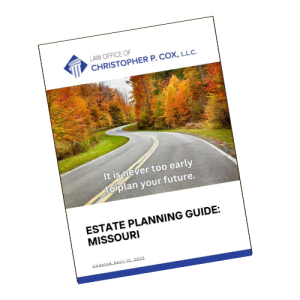
Free Estate Planning Guide
Download your FREE copy of our Estate Planning Guide. We are so confident you’ll find our resource helpful, we don’t require anything from you to get it.